

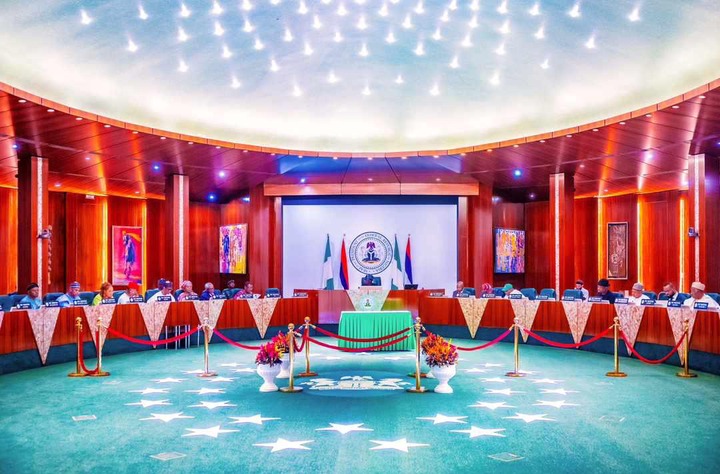
The Federal Government has moved to end persistent power outages at Nigeria’s busiest maritime gateways by approving new independent power projects for the Apapa and Onne port complexes. These projects, along with a digital transport data system, are part of a major push to use private sector money to fix crumbling infrastructure and reduce the cost of doing business at the ports.
According to a report by Punch on Sunday, May 10, 2026, the Federal Executive Council gave the green light for three Public-Private Partnership initiatives. The Infrastructure Concession Regulatory Commission announced that these projects include a 50MW power plant for Onne Port in Rivers State and a 36MW hybrid power system for the Apapa Port in Lagos.
The Acting Head of Media and Publicity at the commission, Ifeanyi Nwoko, said in a statement that the move reinforces the commitment of President Bola Ahmed Tinubu to fast-track development. He noted that the third project is the creation of a Smart National Transport Data Bank under the Nigerian Institute of Transport Technology to improve planning across road, rail, air, and sea.
The Director-General of the commission, Jobson Ewalefoh, explained that the new power plants would act as productivity enablers for the economy. He said that “at Onne, the development of a 50MW power plant will provide stable electricity to the port and the Oil and Gas Free Zone, significantly reducing operational bottlenecks.”
Regarding the Apapa project, Ewalefoh said the 36MW hybrid mix would lower operating costs for businesses that currently rely on expensive generators. He also highlighted that the new transport data bank would use technology like automated number plate recognition to track vehicles and help the government make better investment decisions.
”Nigeria’s biggest transport challenge is not just infrastructure, it is the lack of reliable, usable data,” Ewalefoh added. He stated that the new digital backbone would integrate real-time intelligence from all transport sectors to help with traffic management and enforcement across the country.
The commission assured the public that all three projects have passed through strict regulatory checks to ensure value for money and protect the interest of Nigerians. Officials believe that fixing the electricity supply in these economic hubs will directly improve trade efficiency and boost national development.