

According to a report by Punch published on May 29, 2026, political reactions have continued to trail the emergence of former Vice President Atiku Abubakar as the presidential candidate of the African Democratic Congress (ADC) ahead of the 2027 general election. The development has intensified debates within Nigeria’s political landscape, with the Presidency and the ruling All Progressives Congress (APC) expressing confidence that the opposition coalition lacks the strength to unseat the governing party.
Atiku secured victory in the ADC presidential primary after polling 1,846,370 votes. He defeated former Minister of Transportation Rotimi Amaechi, who received 504,117 votes, and economist Mohammed Hayatu-Deen, who garnered 177,120 votes. Despite the outcome, the primary election was overshadowed by controversy, as both Amaechi and Hayatu-Deen rejected the results, alleging irregularities in the conduct of the exercise.
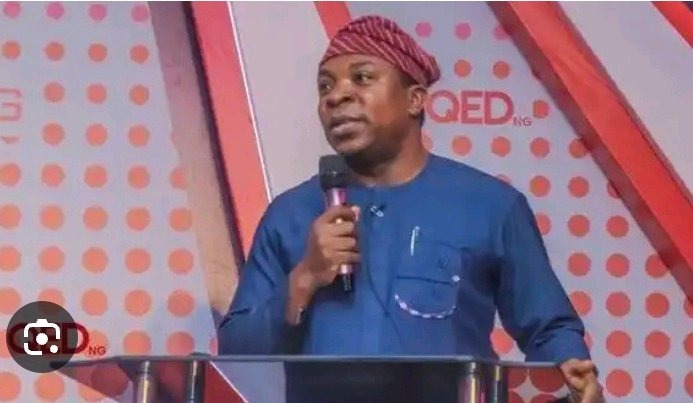
Reacting to the developments, presidential spokesman Temitope Ajayi criticised former Anambra State Governor Peter Obi, stating that, “Obi cannot face an intra-party contest because he does not have the capacity to win a party primary.” Ajayi argued that Obi had historically emerged as a candidate through political arrangements rather than through competitive party primaries, a factor he said diminishes his influence within the opposition.
Ajayi also questioned the strength of the coalition supporting Atiku, describing it as an alliance driven more by political grievances than by a clear ideological vision for governance. According to him, the coalition lacks the cohesion, structure and strategic direction required to mount a serious challenge against the APC in the 2027 presidential election.
The ruling party further dismissed comparisons between Atiku’s current political bid and former President Muhammadu Buhari’s successful 2015 campaign, maintaining that the circumstances that contributed to Buhari’s victory are significantly different from present-day realities.
Meanwhile, Atiku’s candidacy has reignited discussions surrounding Nigeria’s North-South power rotation principle. Political parties including the Labour Party and the Social Democratic Party have criticised his renewed presidential ambition, describing it as insensitive to existing political expectations regarding regional power balance.
In response, Atiku’s supporters accused the Presidency of attempting to divert attention from growing public concerns over economic hardship, insecurity and rising unemployment, issues they argue remain central to the concerns of many Nigerians.