

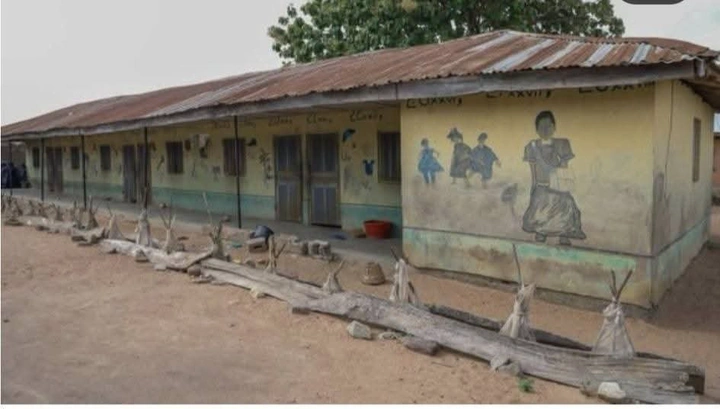
The horrifying abduction of pupils, students and teachers in Oriire Local Government Area of Oyo State is more than another disturbing headline in Nigeria’s growing catalogue of insecurity. It is a painful reminder that schools in the country, especially in rural communities, remain dangerously exposed while government assurances continue to ring hollow. The attack on Community High School, Ahoro-Esinele and Yawota Baptist Nursery and Primary School has exposed deep cracks in the nation’s security architecture and raised troubling questions about the value placed on the lives of ordinary Nigerians.
What makes this incident particularly disturbing is not only the number of victims reportedly abducted — including dozens of children between the ages of two and sixteen — but the sophistication and boldness of the attackers. Reports that the gunmen allegedly deployed Improvised Explosive Devices (IEDs) against rescue operatives suggest an alarming evolution in criminal operations within the country. These are no longer mere opportunistic kidnappers hiding in forests with crude weapons. The use of explosives against security personnel reflects a dangerous escalation that should concern every Nigerian.
The reported death of a rescue operative and injuries sustained by others during the operation near Igbeti underline the severe risks security agencies now face. According to accounts from injured survivors receiving treatment at the LAUTECH Teaching Hospital in Ogbomoso, the attackers reportedly switched tactics after conventional gunfire failed to stop advancing security teams. That criminal gangs can allegedly deploy explosives against soldiers, Amotekun operatives, Agro-Rangers and local hunters within Nigerian territory points to a frightening reality: insecurity in Nigeria is becoming increasingly militarised.
Even more heartbreaking are reports that the cries of abducted children could be heard during the rescue operation. That image alone should shake the conscience of the nation. Children who should have been in classrooms learning and dreaming about their future are instead trapped in forests, terrified and pleading for help. Their trauma may linger long after any eventual rescue. Nigeria cannot continue normalising the psychological destruction of its children through repeated attacks on educational institutions.
The identities and ages of the victims released by the TYF Political Action Committee have added painful human faces to the tragedy. Seeing names of toddlers as young as two, four and five years old among those allegedly abducted exposes the cruelty of the attackers and the vulnerability of rural communities abandoned by the state. The inclusion of school principals, vice principals and teachers among the victims further demonstrates that the attackers deliberately targeted educational institutions and the people entrusted with shaping young minds.
The emotional video released by the abducted principal, Mrs. Rachael Alamu Folawe, should serve as a national wake-up call. Her trembling appeal from captivity, alongside reports that children remain stranded in the forest with armed men, reflects a complete breakdown of public safety. When educators must beg government authorities from kidnappers’ camps before action is intensified, it shows a tragic erosion of citizens’ confidence in state protection.
Governor Seyi Makinde deserves acknowledgment for openly admitting the gravity and difficulty of the situation instead of offering empty political rhetoric. His promise of regular press briefings reflects an attempt at transparency. However, sincerity alone cannot replace effective action. Nigerians are exhausted by repeated promises that “everything possible is being done” after tragedies have already occurred. Citizens expect proactive security measures, not reactive sympathy after innocent people have been abducted or killed.
The visit of the Inspector-General of Police, Olatunji Disu, to Oyo State may reassure some families, but symbolism is no substitute for results. Nigerians have watched similar visits after countless attacks across the country, yet the cycle persists. The repeated pattern is painfully familiar: attack, outrage, condolence visits, promises of investigations, tactical deployments, and eventually another attack elsewhere. Until the government decisively addresses the structural causes of insecurity — including poor intelligence coordination, weak rural policing, porous forests and inadequate security funding — these tragedies will continue.
Equally troubling is the confusion surrounding the exact number of victims. While political groups and local sources claim that 39 children and seven teachers were abducted, police authorities insist the figures are yet to be confirmed. Such contradictions reveal poor crisis communication and further deepen public distrust. In moments of national emergency, citizens deserve clarity, accuracy and confidence from authorities. Mixed messaging only fuels panic and speculation.
The attack also revives painful memories of previous mass school abductions across Nigeria, from Chibok to Kankara and other communities that suffered similar horrors. Despite repeated promises by successive administrations that schools would become safer, armed groups continue to target educational institutions because they know schools are soft targets capable of generating fear, publicity and ransom opportunities. Every successful abduction emboldens future attackers.
The growing reliance on local hunters, vigilantes and regional security outfits such as Amotekun in rescue operations reflects another uncomfortable truth: many communities no longer believe federal security agencies alone can adequately protect them. While local collaboration is necessary, it also highlights the overstretching of Nigeria’s formal security institutions. No nation should leave rural communities dependent on volunteers with limited resources to confront heavily armed criminal networks.
Perhaps the most painful aspect of this tragedy is the silence of urgency that often follows such incidents after the initial media attention fades. Nigerians must resist becoming desensitised to the suffering of innocent children and teachers. The country cannot afford to treat school abductions as routine occurrences. Every child kidnapped from a classroom represents a direct attack on education, national stability and the future of the country itself.
The Ogbomoso school attack must become a turning point, not just another statistic. Nigeria’s leaders at all levels must recognise that insecurity is no longer a distant rural problem but a national emergency threatening the country’s social fabric. Beyond rescue operations and press conferences, citizens deserve concrete reforms, stronger intelligence systems, secured schools, accountable security leadership and swift justice for perpetrators. Anything less would amount to abandoning vulnerable children and teachers to the mercy of criminals.