

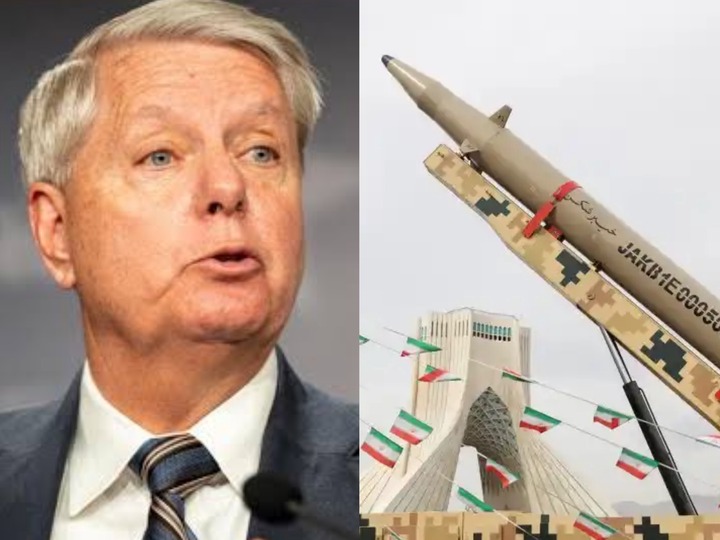
Senator Lindsey Graham spoke about Iran’s nuclear ambitions and the ongoing conflict in the Middle East, focusing on the broader strategic and economic consequences tied to the situation.
In an interview aired by Fox News, he discussed how regional stability could shift depending on Iran’s position and the actions of the United States and its allies. He emphasized that changes in control and pressure within the region could have wide-reaching effects beyond security concerns.
He said, “The day Iran is put in a box, that’s when Israel and Saudi Arabia will go back to the feast table. The day we control the Strait, gas prices will tumble, the stock market will be steady and growing, and in the fall we’ll be talking about peace, not war.”
Graham’s remarks suggested that limiting Iran’s influence could reshape political and economic dynamics in the Middle East. He linked potential stability in the region to improvements in global energy markets, including lower gas prices and stronger financial performance.
He also indicated that reduced tensions could open the door to broader peace discussions and long-term diplomatic progress. His comments reflect ongoing debates in the United States about how best to address Iran’s nuclear program and its role in regional conflicts.
The discussion comes amid continued tensions involving Iran, Israel, and Gulf nations, where security concerns and energy supply remain closely connected. The Strait of Hormuz, in particular, is often seen as a critical point for global oil transportation, making it a key focus in international policy and security planning.