
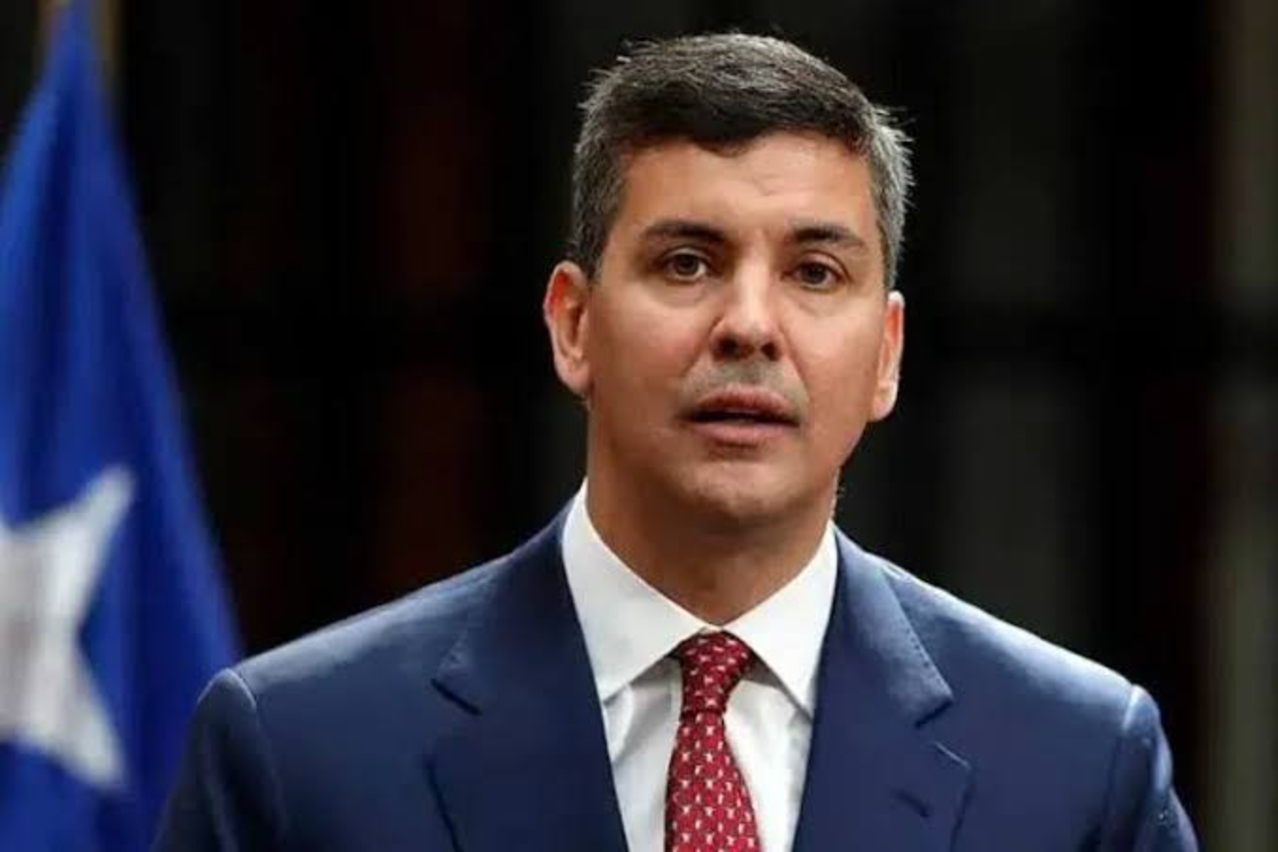
Following his removal, Paraguayan authorities placed the former president under house arrest, according to prosecutor Silvia Margarita González Vester.
Alliana, who will serve out the remainder of the presidential term until 2028, pledged that affected depositors would not be abandoned and promised government intervention to address their financial losses.
“Compatriots who are now going through a difficult time as a result of the financial collapse will be fully compensated,” he said.
Meanwhile, an impeachment motion against Alliana over the same crisis failed to secure congressional approval.
The controversy intensified after it emerged that Peña had held a stake in Grupo Vázquez, the business group that controlled Ueno Bank, until last year.
Opposition lawmakers accused the former president of having a conflict of interest in matters concerning the financial institution, allegations he denied.
The Attorney General’s office has also opened an investigation into Peña over alleged irregularities involving the supervision and resolution of Ueno Bank, as well as the placement of public funds in the institution.
According to prosecutor González Vester, Peña is expected to be questioned over suspected offences including breach of trust, influence peddling and misappropriation of funds.
Before his removal, Peña had reportedly offered to resign, but lawmakers proceeded with the impeachment process, which also stripped him of his political immunity.
In a message posted on X shortly before the Senate’s decision, Peña called for national reconciliation and institutional rebuilding.
“Today, we must come together as Paraguayans to rebuild our institutions and restore trust,” he wrote.
The United States Embassy in Paraguay also expressed solidarity with the country’s people on Friday, although it made no direct reference to Peña’s removal.
Amid the political fallout, the Central Bank has commenced an initial payment programme for customers affected by Ueno Bank’s collapse.
Advance payments to some depositors reportedly began on Thursday, with the first phase covering eligible customers without outstanding loans who maintain accounts with other financial institutions in Paraguay.
José Maciel of the Central Bank’s Deposit Guarantee Fund said the initial payments would cover amounts of up to approximately $1,600 per eligible customer.
He added that additional categories of beneficiaries would be announced progressively as the repayment process advances.
The collapse has also triggered investigations and administrative changes within Paraguay’s financial and security institutions.
The crisis has claimed the positions of Central Bank President Carlos Carvallo and Interior Minister Enrique Riera, while eight executives of Ueno Bank have reportedly been arrested.
Police also conducted searches at several locations associated with Grupo Vázquez on Wednesday and Thursday as investigations intensified.
Public anger has continued to spread, with demonstrators staging protests for several consecutive nights in Asunción and other cities, demanding the return of their deposits and accountability from those linked to the financial collapse.
At one demonstration in the capital, Cynthia Farina told newsmen that the crisis had affected numerous families and businesses, including her son, who had savings deposited with Ueno Bank.
The repercussions have also extended beyond Paraguay, with approximately 1,000 employees of ITTI, a technology company affiliated with Grupo Vázquez in neighbouring Argentina, reportedly suspended for 30 days without pay.
The country’s football sector has equally felt the impact, as Ueno Bank sponsors several top-flight clubs and the Paraguayan national team.
In a statement posted on X, members of the national team acknowledged that they had also been affected by the unfolding crisis.