

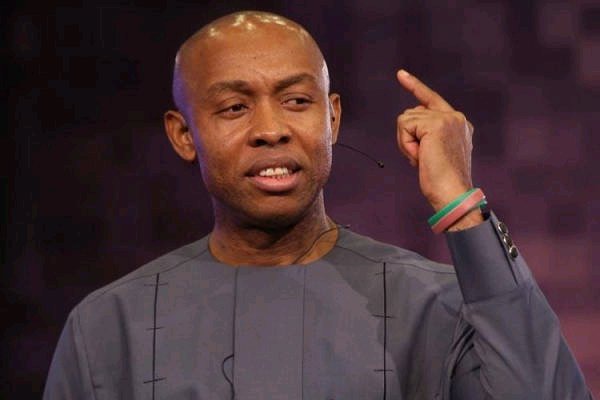
Human rights lawyer and former chairman of the National Human Rights Commission, Chidi Odinkalu, has stirred fresh debate over Nigeria’s civil war history following his reaction to the recently circulated autobiography of former Head of State, Major General Yakubu Gowon.
Odinkalu, in a statement shared through his official X account on Sunday, May 24, 2026, criticized portions of the former military ruler’s memoir, arguing that the publication had reopened painful memories connected to the Nigerian civil war rather than helping the nation move beyond them.
The autobiography, which has generated widespread attention across the country, has been praised by many Nigerians for shedding light on key moments in the nation’s political and military history. Several commentators described the book as an important contribution to the documentation of Nigeria’s past, particularly the events surrounding the 1967 civil conflict and the years that followed.
However, Odinkalu maintained that some of the claims and reflections contained in the memoir deserved closer public scrutiny. According to him, certain positions expressed in the book appear to contradict Gowon’s long-standing post-war declaration that there was “no victor, no vanquished” after the end of the conflict.
The former NHRC chairman argued that while the slogan was intended to promote unity and national healing after the war, the realities experienced in many parts of the former Eastern Region over the decades tell a different story. He insisted that promises of rehabilitation, reconstruction, and reconciliation made after the conflict had not been fully realized more than five decades later.
Odinkalu noted that many communities affected by the civil war still grapple with the long-term consequences of the conflict, adding that genuine reconciliation has remained elusive despite repeated references to national unity by political leaders over the years.
According to him, the autobiography appears to revive old tensions and unresolved grievances that many Nigerians believed had been buried with time. He argued that instead of helping to heal lingering wounds, the discussions emerging from the memoir risk reopening painful national conversations about the war and its aftermath.
The senior lawyer further stated that the same leadership that once promised healing and reintegration now appeared to be revisiting issues many citizens hoped had been settled in the interest of peace and unity. He stressed that historical accountability and honest reflection remain necessary if Nigeria hopes to achieve lasting reconciliation among its diverse ethnic and regional groups.
The comments from Odinkalu have since sparked conversations on social media, where Nigerians continue to debate the legacy of the civil war, the role of political leadership during that period, and the extent to which the country has truly achieved post-war reconciliation.
Major General Yakubu Gowon, who led Nigeria during the civil war from 1967 to 1970, has remained one of the country’s most significant historical figures. His post-war declaration of “no victor, no vanquished” has often been cited as one of the defining messages aimed at preserving national unity after the conflict that claimed countless lives and displaced millions of people.
Despite the passage of several decades since the end of the war, discussions surrounding the conflict continue to generate emotional reactions across the country, particularly among those who believe that some of the promises made in the aftermath of the war were never fully implemented.
Odinkalu’s latest remarks have once again brought national attention to unresolved historical concerns and the continuing debate over justice, reconciliation, and the preservation of historical memory in Nigeria.
In his statement on X, Odinkalu wrote that the wounds of the conflict, “instead of being permanently buried, had been exhumed by the same individual who promised to bury them.”