
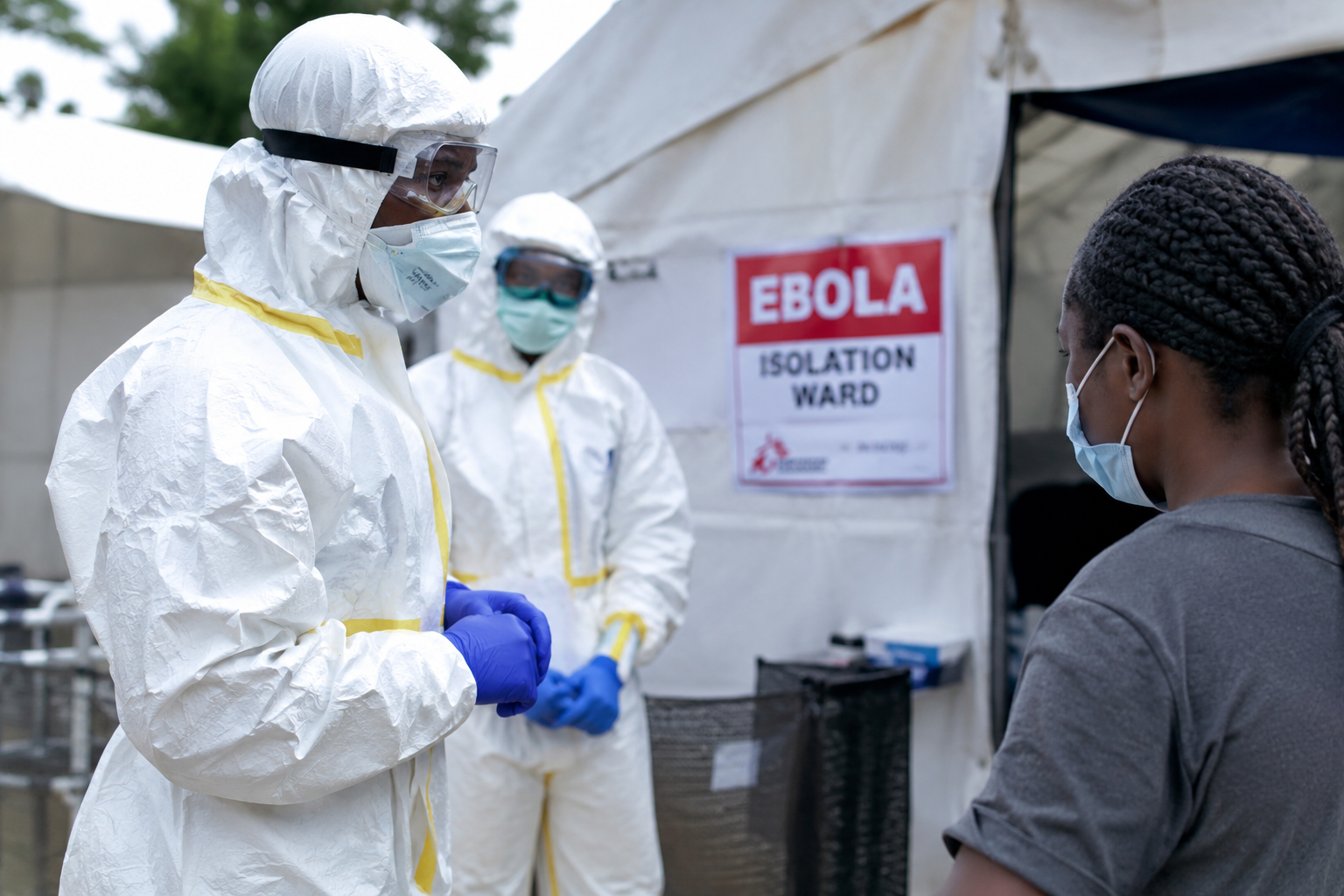
Concerns over Nigeria’s preparedness to contain Ebola have intensified amid questions about a reported N10 billion response fund, delayed diagnosis and inconsistencies in contact figures, raising fears about public confidence in the country’s outbreak response.
Dr. Ayoade Olatunbosun-Alakija, Co-Chair of the G7 Investment Initiative on Global Health, has warned that the delay in diagnosing Nigeria’s imported Ebola case could undermine containment efforts, stressing that the next two weeks would be critical to preventing further transmission.
Speaking on a national television station, Olatunbosun-Alakija urged hospitals, particularly private healthcare facilities, to strengthen disease surveillance, promptly report suspected cases and maintain adequate supplies of personal protective equipment (PPE).
She cautioned that gaps in hospital preparedness could expose more people to infection, emphasising that early detection, rapid reporting and effective infection prevention measures remain essential to containing the outbreak.
The health expert also called for intensified public education and regular handwashing, urging Nigerians to remain vigilant without panicking.
On whether large gatherings and political rallies should be restricted, she said decisions should be guided by scientific evidence, contact tracing and testing rather than speculation or public anxiety.
Ebola Response Funding and Public Trust Under Scrutiny
The warning comes as a report by Nigeria Health Watch highlights growing concerns about response funding, political mistrust and hospital readiness following the confirmation of an imported Ebola case in the Federal Capital Territory (FCT).
Questions surrounding a reported N10 billion Ebola response fund have added to public concerns about the government’s preparedness and the transparency of its outbreak response.
According to the report, an analysis of online conversations between October 20 and 22, 2026, recorded 927 Ebola-related mentions out of 2,442 conversations monitored.
Discussions about money, politics and mistrust increased from 10 per cent of Ebola-related conversations on Tuesday to 26 per cent by Thursday morning, suggesting that concerns about accountability and government preparedness were increasingly competing with public health messaging.
The findings highlight the importance of clear, consistent communication from health authorities, particularly during an outbreak when public cooperation is essential for effective surveillance, testing and contact tracing.
Conflicting Contact Figures Raise Questions
The Nigeria Health Watch report also identified discrepancies in official figures concerning people who may have been exposed to the virus.
Authorities initially identified 44 close contacts, while a subsequent directive placed 46 contacts on a 21-day no-fly list.
The difference between the two figures has raised questions about the consistency of official communication and the need for timely clarification as investigations continue.
Contact tracing is a critical component of Ebola control because it helps health authorities identify, monitor and test people who may have been exposed to an infected person.
Under appropriate public health protocols, people identified as contacts are monitored for the virus’s incubation period so that symptoms can be detected quickly and further transmission prevented.
Clear communication about the number of contacts identified, their monitoring status and the measures being taken to protect the public can also help limit misinformation and build confidence in the response.
Declining Visibility of Official Ebola Guidance
The report further found a sharp decline in online conversations sharing the Nigeria Centre for Disease Control and Prevention’s (NCDC) emergency hotline, 6232.
Mentions of the hotline fell from 15 per cent of Ebola-related conversations on Tuesday to just one per cent by Thursday morning.
The decline has raised concerns about the visibility of official health information at a time when Nigerians need reliable guidance on symptoms, suspected exposure and reporting procedures.
Public health experts have consistently emphasised the importance of making verified information accessible, particularly during outbreaks when rumours and conflicting reports can undermine prevention efforts.
Health authorities and media organisations have a critical role to play in circulating official guidance, explaining how to report suspected cases and directing members of the public to appropriate healthcare services.
Hospitals Urged to Strengthen Ebola Surveillance
Olatunbosun-Alakija’s warning has placed renewed emphasis on the readiness of healthcare facilities to identify and manage suspected Ebola cases.
Hospitals, including private clinics that may serve as the first point of contact for patients, need effective screening procedures, trained personnel, appropriate protective equipment and clear reporting channels.
Healthcare workers must also be able to recognise symptoms that warrant further investigation and follow established infection prevention and control protocols.
Delayed recognition of a suspected case can increase the risk of exposure among healthcare workers, patients and others who come into contact with an infected person.
Strengthening surveillance and ensuring rapid communication between hospitals and public health authorities are therefore essential to reducing the risk of onward transmission.
The expert’s call for regular handwashing and public education also underscores the importance of practical prevention measures alongside coordinated government action.
She cautioned against panic, maintaining that decisions on restrictions affecting public gatherings should be based on scientific evidence, testing and contact-tracing findings.
Uganda Records 131 Ebola Cases and 48 Deaths
Meanwhile, Uganda has recorded 131 Ebola cases and 48 deaths, according to officials who spoke at a World Health Organisation (WHO) Africa briefing on Friday.
The figures underscore the continuing public health challenges associated with Ebola outbreaks and the importance of coordinated surveillance, timely diagnosis and effective case management.
For Nigeria, the reported imported case has heightened the urgency of strengthening preparedness measures, ensuring that suspected infections are detected quickly and maintaining public confidence in official health guidance.
Early Detection Critical to Preventing Further Transmission
As concerns over funding, hospital readiness and public communication grow, health experts warn that the effectiveness of Nigeria’s response will depend on how quickly suspected cases are identified, reported and investigated.
Clear communication about contact tracing, transparent reporting of response activities and adequate protection for healthcare workers will be crucial to maintaining public confidence.
With the next two weeks described as critical to preventing further transmission, the priority remains strengthening surveillance, ensuring hospitals are prepared and encouraging Nigerians to follow verified public health guidance without giving in to panic.
The reported funding concerns, contact discrepancies and declining visibility of the emergency hotline also highlight the need for consistent information from authorities as Nigeria works to contain the risk of further Ebola transmission.